



Having my own homelab was something I wanted to try for a long time. However, I just couldn’t get started. Mostly because I kept overthinking it. How will I handle dynamic IPs? Do I need something like a local DNS on my router for that? Even if I solve things inside the home, how am I supposed to access it remotely? Do I need port forwarding at the NAT layer? And what about TLS certificates, how do I even manage those without using a public certificate authority?
Posts Tagged: Linux
Tailscale’d Into Homelabbing
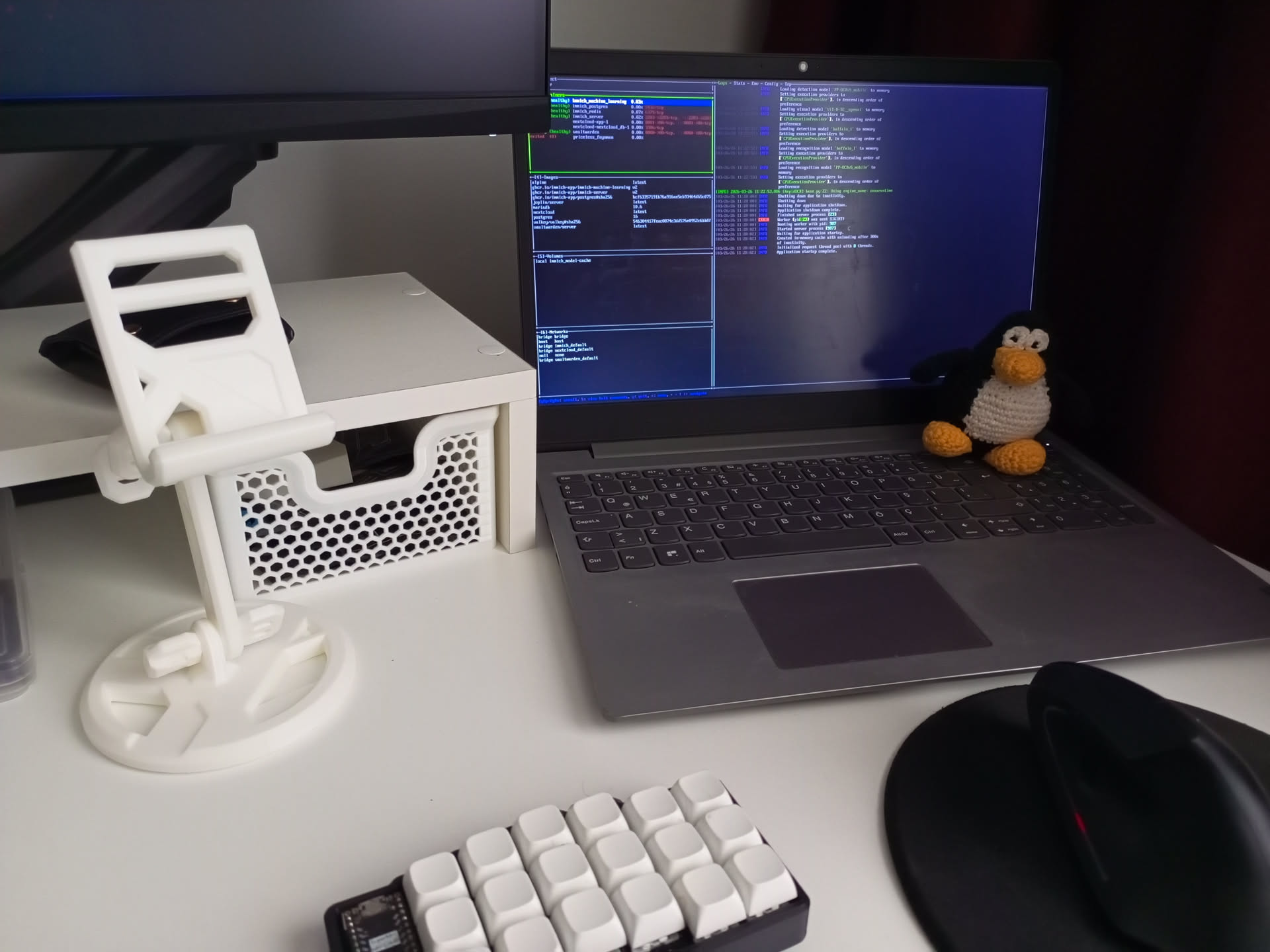
Why I'm Leaving NixOS After a Year?
Around a year ago, I published a blog post explaining my overall experience Switching from Arch to NixOS. You can read it if you’re interested in my early experiences, but, to give you a spoiler, that post ends with me saying: Unfortunately, though, I don’t think the benefits I’ve gotten in this one month of using NixOS so far justified the cost I’ve initially spent and continue to spend learning Nix and NixOS. — Ultimately, whether the benefits of learning a particular technology outweigh the costs depends on how much you take full advantage of its features. So, I believe that if I experiment with more setups, try different programs, or start managing servers with Nix, I will begin to see a better return on this investment from what I have learned so far. :)

NixOS Hates Precompiled Programs (Learn How To Fix It)
I’ve been using NixOS for about six months and am generally satisfied with my experience. However, in this essay, I won’t talk about how great NixOS is, but rather about one common issue that many users, including myself, have faced or will face in the future. In NixOS, most pre-compiled programs will not work out of the box. In this essay, I’ll share my experiences on this issue and explain why it happens, along with some approaches I’ve found very helpful to overcome it. Hopefully, this will help others avoid some of the frustrations I’ve encountered.
Linux Asceticism
Most well-known living philosophies -such as Cynicism, Epicureanism, Stoicism, Buddhism, and Sufism- advocate some form of Asceticism. This could involve various acts such as fasting, deliberately confronting personal fears, or even something as subtle as choosing not to pour salt on food. But regardless of the specific way that these practices are pursued, the main goal remains the same: Strengthening your body and mind to make yourself indifferent to and indifferent from the things that are outside your control. That is to say, turn yourself into someone who can handle hardships with as few possessions as possible.

Switching from Arch to NixOS
I’ve switched my desktop computer environment from Arch Linux to NixOS and used it for about a month. I want to share my migration experience in case it might interest or even help others. I also want to thank my friends Onur and Mert for encouraging me to switch to NixOS and providing help. Why Migrate from Arch in the first place? As someone who likes playing with tools to understand how they work as well as to match my preferences and ergonomic choices, I find myself frequently changing many configurations on my system. However, it didn’t take long for me to realize that I need a system to save and possibly automate these configuration processes to save time in the future.
Debloating My Android Phone with ADB
My mother recently mentioned that her phone is continually opening certain windows and prompting her to use services she doesn’t need. After checking her phone and doing some online research, I found out that many others have also complained about this issue. Apparently, she was referring to pop-ups triggered by a pre-built program called “SIM Menu”. This program basically allows operators to send notifications and even generate pop-ups on your phone. And the frustrating part is that most of these pop-ups seem to promote irrelevant services. If you accidentally click “OK” when one of these pop-ups appears, you get charged by your provider. It is a carefully set up trap designed to make you accidentally subscribe to their unnecessary services and pay money.
Understanding Keyboard Events Better
In this essay, I describe how I made a Node.js module to listen to keypresses across the system on Linux machines using X. This experience helped me grasp how the OS and Window Managers handle keyboard inputs, clarifying the reasons behind an unexpected behavior I had encountered before, which I also mention in the essay. If you’re interested in learning more about how keyboard events are handled, this essay might be of interest to you.
My Experience on Switching to Arch Linux
About a year ago, I was invited to a pair coding session at the startup where I was working. The developers were receiving consultancy from a strange person. At one point, he took control of the screen sharing while reviewing some of the pull requests that had been made to our codebase. When he shared his screen, there was nothing but a black screen. Suddenly, a terminal screen appeared with his keystrokes and he quickly began examining the codebase, providing feedback on people’s code at a speed I had never seen before. He was able to jump between different files in an instant, examining the diffs that were made in different git commits.